
 The World of Dates
A Legacy Rooted in Soil
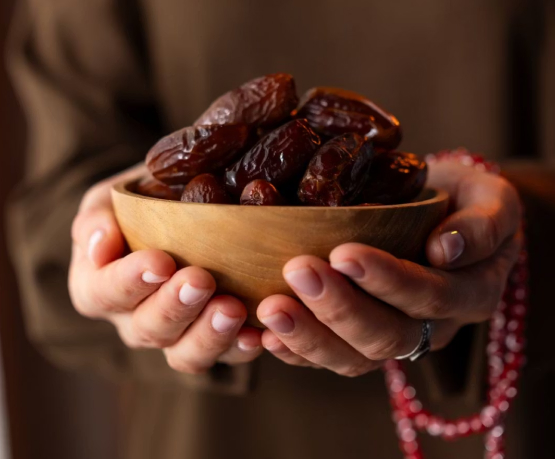
Dates have been a staple food of the Middle East and the Indus Valley for thousands of years. Known as the "Bread of the Desert," the Phoenix dactylifera palm represents more than just nutrition—it is a symbol of hospitality, resilience, and cultural identity across the global dates industry.




 Types of Dates
A Reference of Cultivars
Some two thousand date cultivars have been catalogued worldwide; perhaps a hundred and twenty are traded commercially. Listed below is a working reference to the cultivars most prominent in international trade.
Medjool
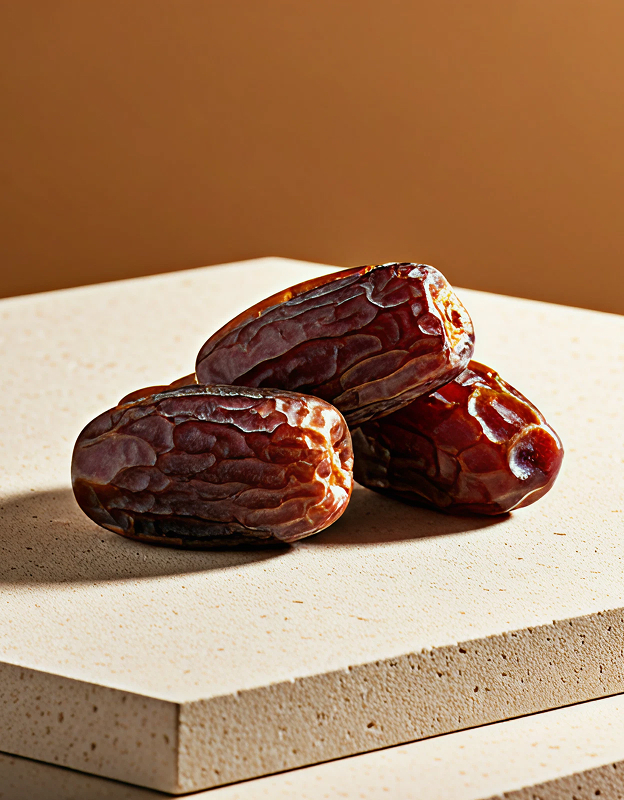
LARGE & SWEETLarge, sweet, and succulent. Known for its caramel-like flavor and soft texture, it is a global favorite for snacking and gifting.
Ajwa
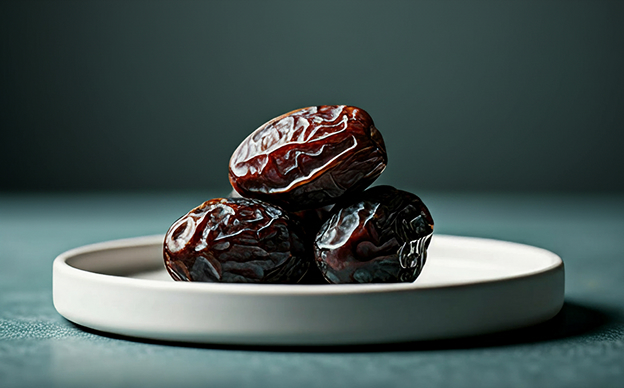
ORIGIN: MADINAH • DARK & FIRM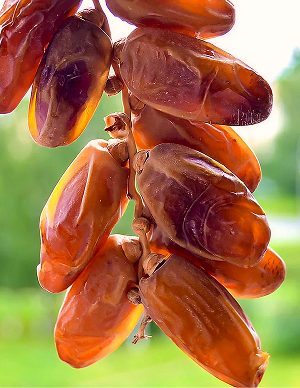
Deglet Noor
THE DATE OF LIGHT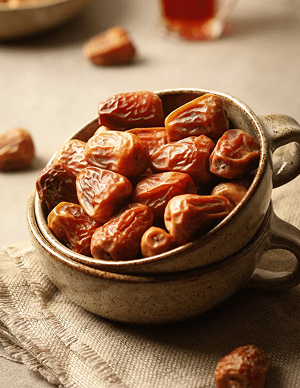
Sukari
CRISP & SWEET
Nutritional Value
Nutritional Excellence
Dates are dense with essential nutrients, making them an ideal natural energy source. They are rich in dietary fiber, antioxidants, and key minerals.


Natural Energy
High glucose, fructose, and sucrose content for immediate stamina.

High Fiber & Antioxidants
Supports digestive health and regulated blood glucose. Contains flavonoids, carotenoids, and phenolic acid.
Average Nutrient Profile (per 100g)
| NUTRIENT | MEDJOOL | DEGLET NOOR | % DAILY VALUE |
|---|---|---|---|
| Calories | 277 kcal | 282 kcal | 14% |
| Total Carbohydrates | 75g | 75g | 25% |
| Dietary Fiber | 6.7g | 8g | 27% |
| Potassium | 696mg | 656mg | 20% |
| Magnesium | 54mg | 43mg | 14% |
 Date Palm Cultivation
Date Palm Cultivation
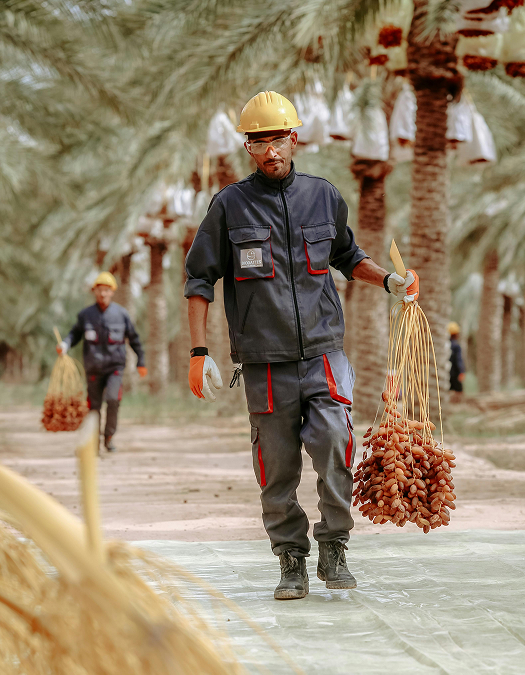
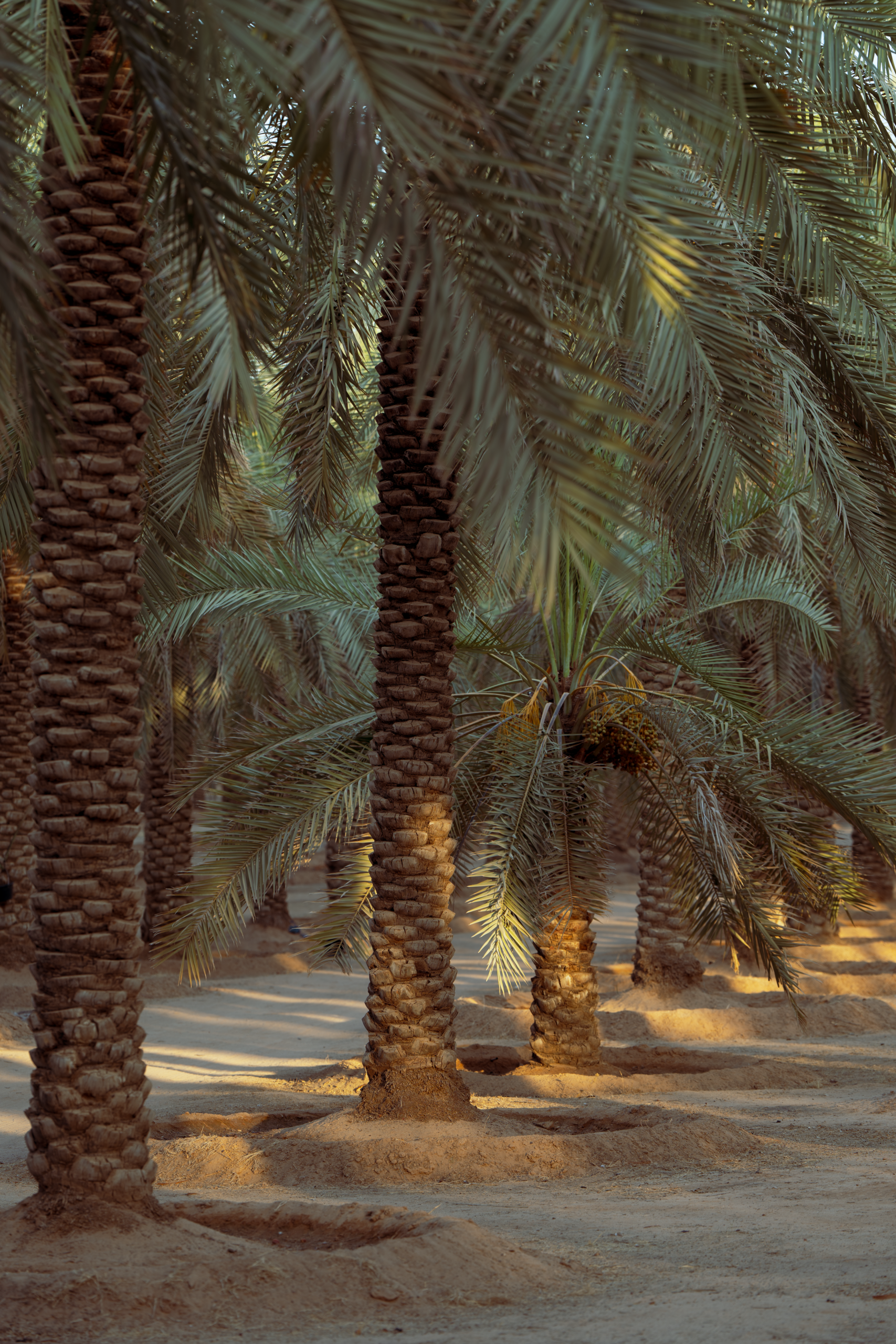
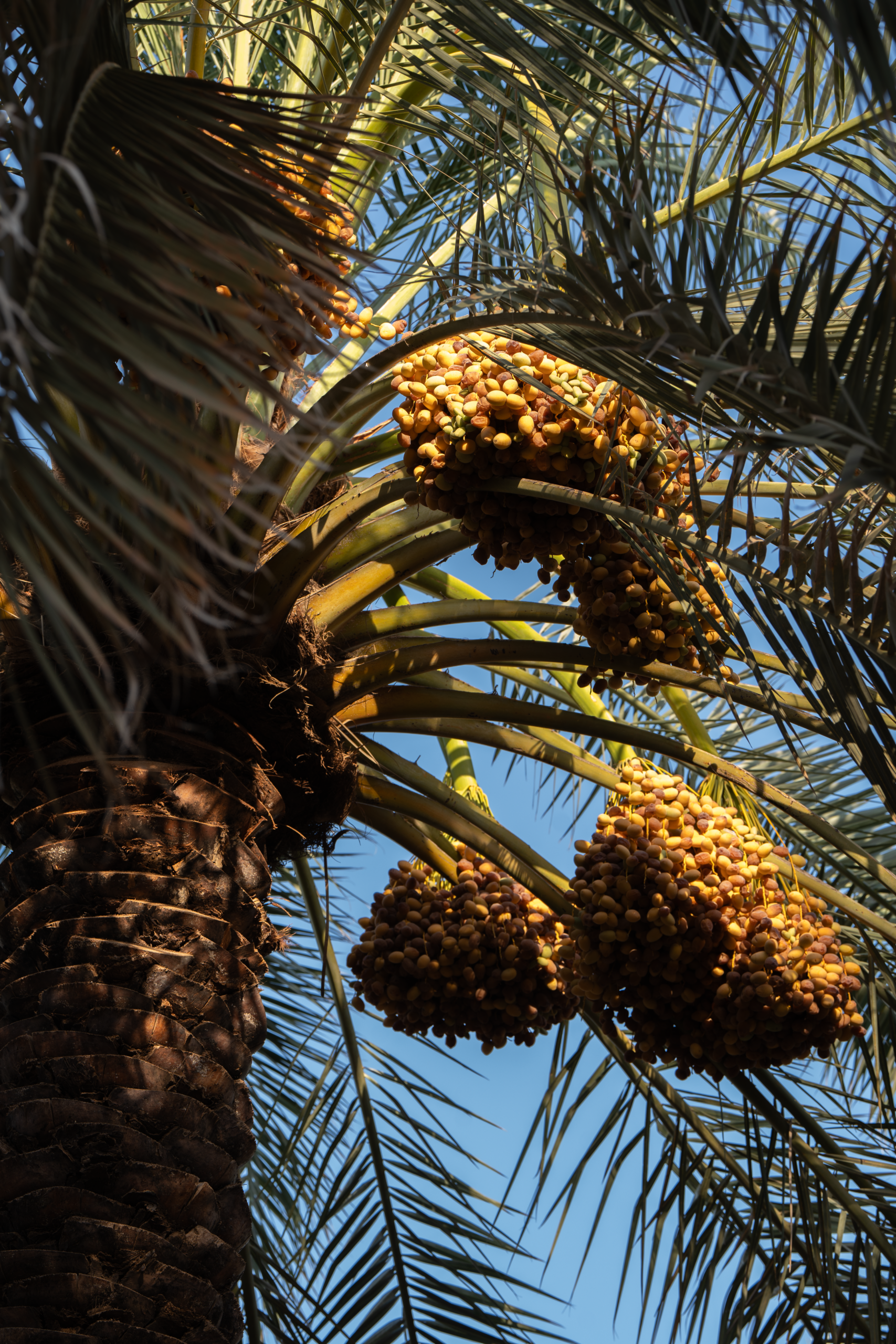
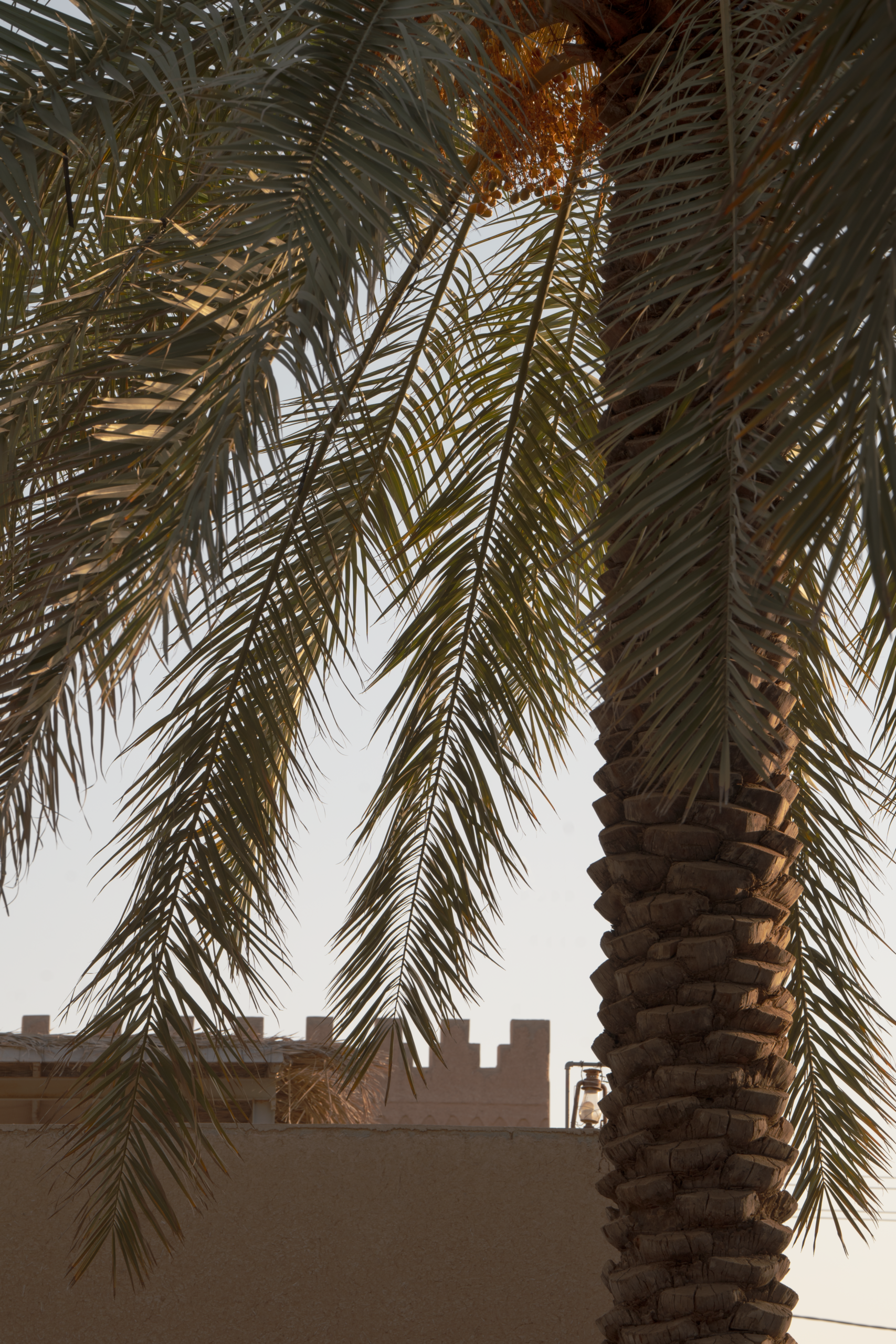
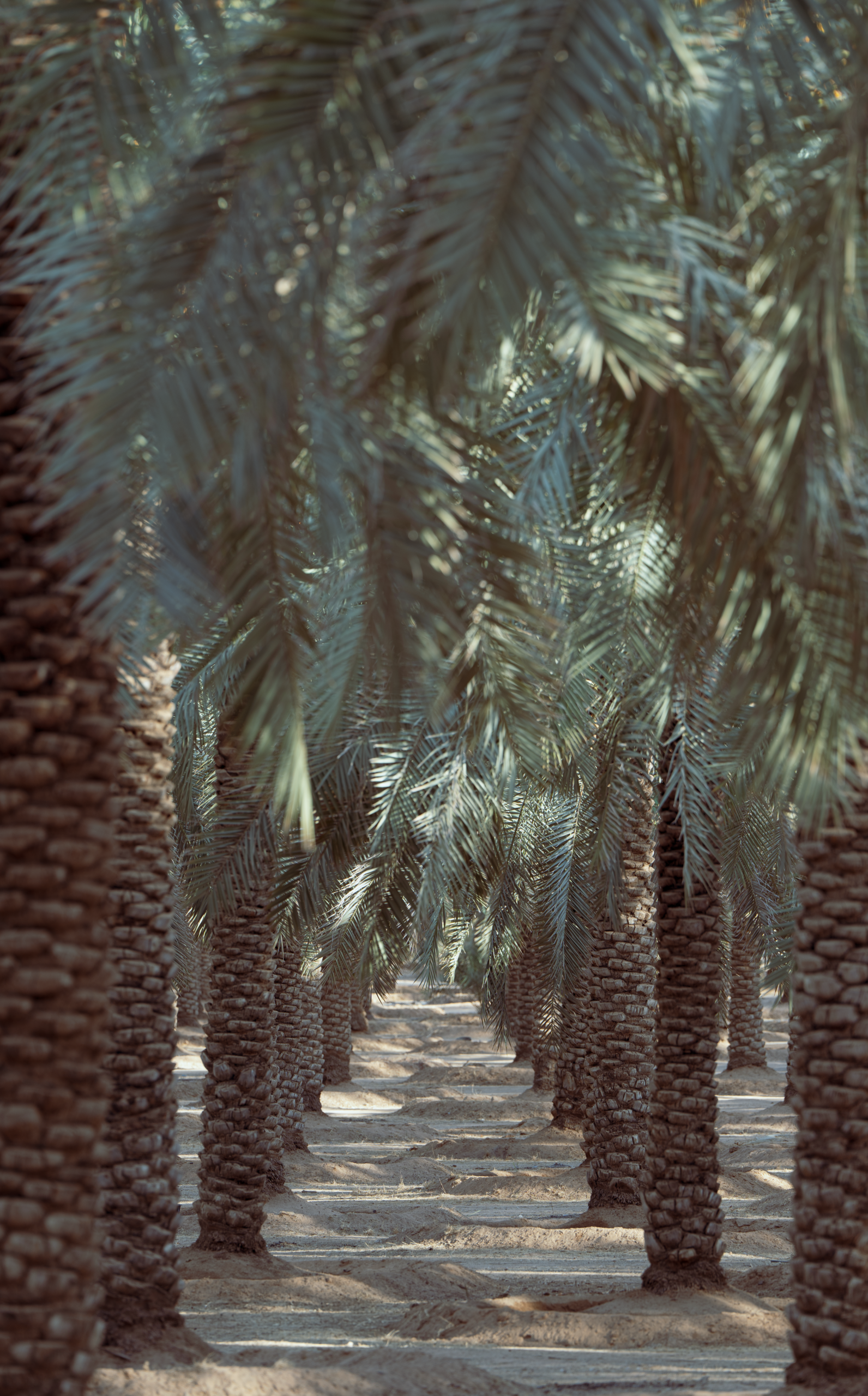
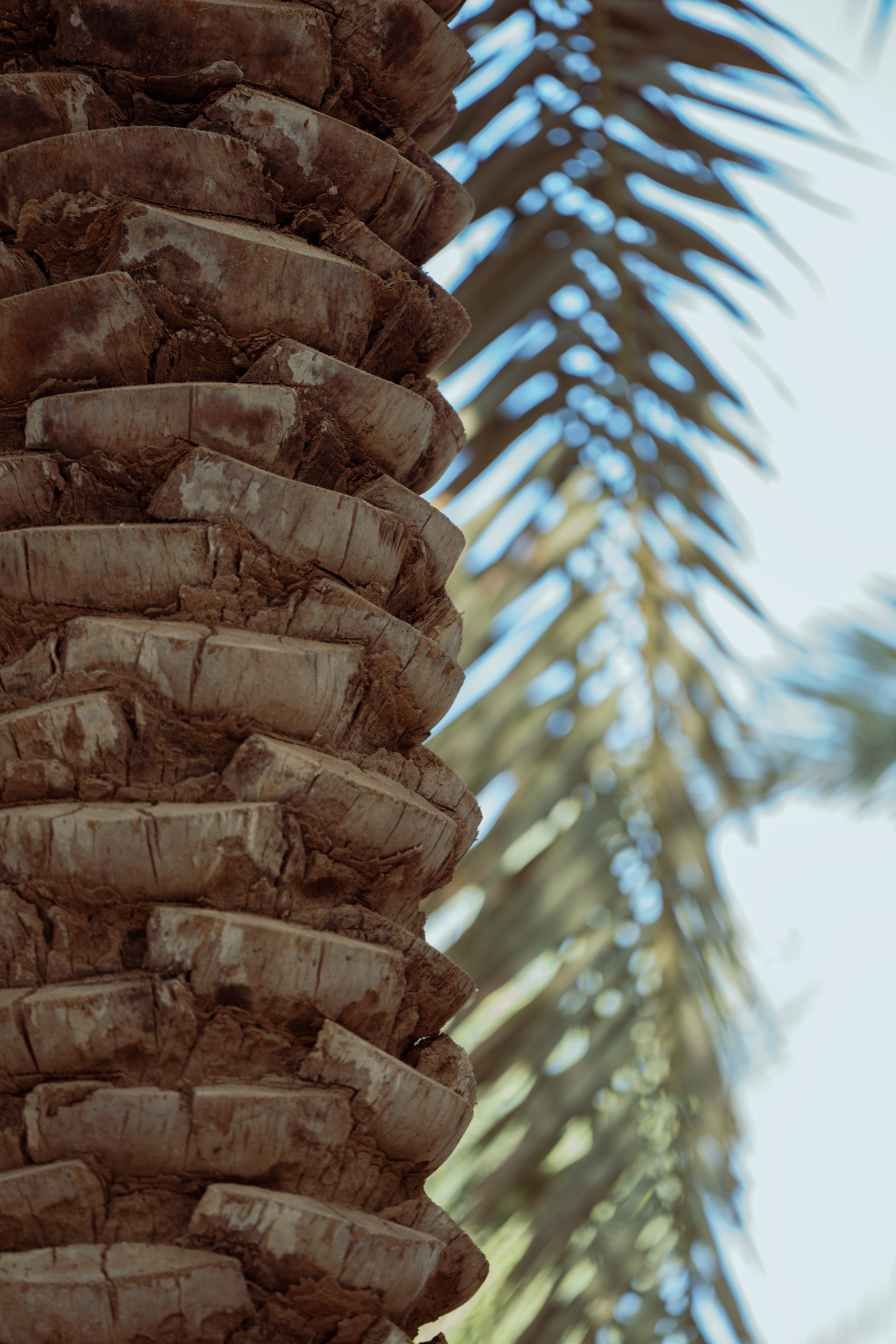
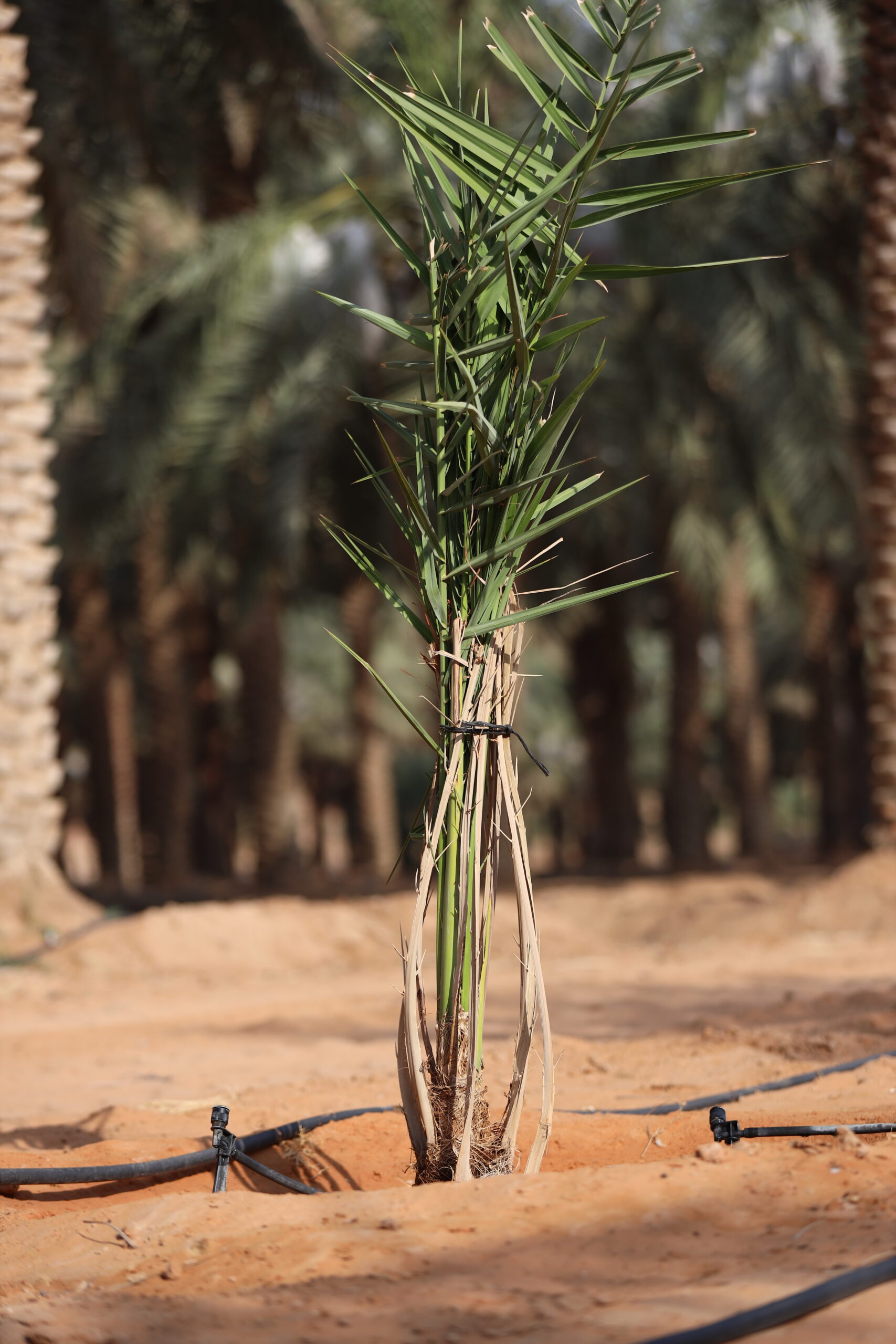
A practical reference on the agronomy of Phoenix dactylifera — from site selection through propagation, pollination, irrigation and harvest to the post-harvest handling that determines commercial grade.


 Date Products
Date Products
Dates are dense with essential nutrients, making them an ideal natural energy source. They are rich in dietary fiber, antioxidants, and key minerals.
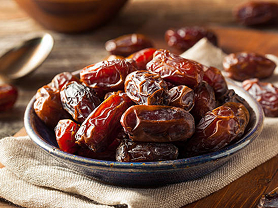
Whole Dates
Pitted or unpitted, often the fruit’s primary market form.
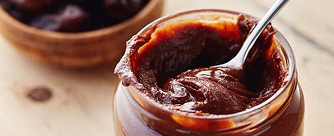
Date Paste
Pitted, blended fruit. Substitutes refined sugar in baking and confectionery applications.
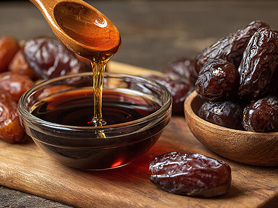
Date Syrup
Concentrated date juice (dibs / silan). A staple in producing regions.
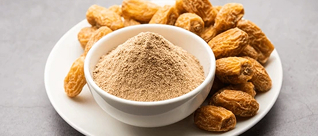
Date Powder
Spray-dried whole-fruit powder. Used as a sweetener and binder in formulated foods.
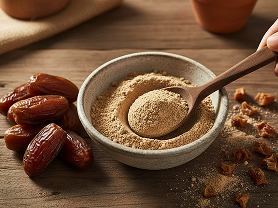
Date Sugar
Granulated dried date. A minimally processed sucrose-fructose-glucose.
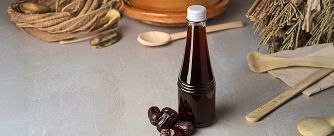
Date Vinegar
Fermented date must. A regional specialty with growing export markets.
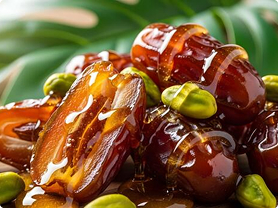
Confectionery
Stuffed, coated and filled date products. A major growth category.
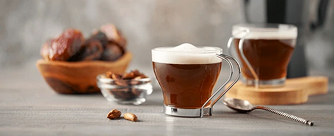
By-products
Pit (kernel) coffee substitute, pit oil, animal feed, fibre and biomass.
 Terminology
Terminology
A glossary of the terms used across producing regions — for the fruit’s developmental stages, the palm’s morphology and the husbandry practised in oasis and floodplain ecologies.
- Kimri The first developmental stage of date fruit: green, unripe, astringent.
- Khalal Second stage. The fruit reaches full size; colour turns yellow or red. Some cultivars are consumed at this stage (e.g. Barhi).
- Rutab Third stage. Partial ripening with soft, moist tissue and brown coloration. A short-shelf-life specialty in Gulf markets.
- Tamr Final stage. Fully ripe, lower moisture, dark colour. The form most commonly traded internationally.
- Pollination Manual transfer of pollen from male spathes to female inflorescences — central to date palm husbandry across all member states.
- Offshoot Vegetative propagule produced at the palm base. Traditional means of propagation prior to tissue-culture techniques.
- Spadix The flowering inflorescence of the date palm, bearing strands of fruit at maturity.
- Frond A compound leaf of the date palm; arrangement and length are diagnostic for cultivar identification.